Understanding Barrel Length
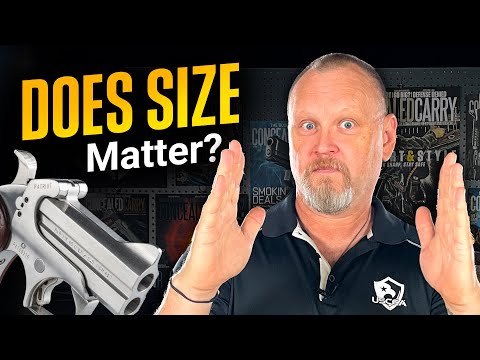
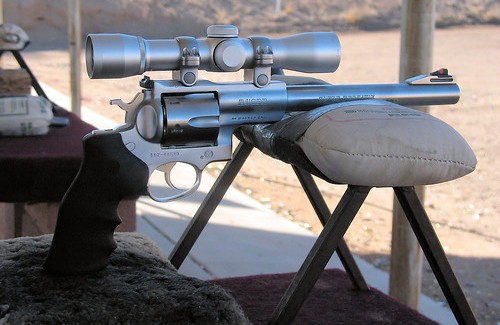
Barrel length influences a gun’s bullet velocity, accuracy, and overall handling characteristics. In general, longer barrels tend to provide higher muzzle velocities and improved accuracy due to the increased length of the rifling. This can lead to better terminal performance of the projectile, which is important because you want your bullet to hit dead-center on the bad dude’s whatever to make him stop whatever he’s about to do to you! But don’t knock short barrels since they offer benefits in terms of maneuverability, concealment, quicker target acquisition—not to mention harder for the bag guy to grab as well, which is obviously an important thing to consider!
Advantages of Long Barreled Handguns:
Increased Velocity: The primary advantage of a longer barrel is the increased velocity of the projectile, especially if you’re shooting hollowpoints that need a certain velocity to expand properly. A longer barrel allows for more complete combustion of the gunpowder, resulting in higher muzzle velocity, regardless of what type of bullet you’re shooting. Bullets don’t work just by punching holes in people; they’re energy transfer on target, which are vital for stopping a bad hombre quickly.
Improved Accuracy: Longer barrels also provide better accuracy due to the extended sight radius and the firearm not bouncing around during shooting. This can be crucial in a self-defense situation where every shot counts and precision is necessary to avoid collateral damage (don’t want to miss your bad guy and hit grandma in the next apartment). Also, longer barrels add weight to your gun, which leads to…
Reduced Recoil: A longer barrel can help cut down on recoil due to increased weight both of the barrel and the frame of the gun (the longer the barrel, the heavier the gun and the more robust the frame). This makes it easier for the shooter to maintain control and follow-up shots. This is particularly important in high-stress situations where rapid follow-up shots are important as hell.
Better Performance with Certain Ammunition: Some ammunition types, like those aforementioned holowpoint self-defense loads, perform better in longer barrels. Hell, they often perform ONLY in handgun with longer barrels (4 inches or above). This can be necessary advantageous if the self-defense scenario involves stopping a bad guy dead in his tracks with one or two shots (getting hit with a .38 Special lead roundnose is bad; getting hit with a .357 Magnum hollowpoint is much, much worse!).
Disadvantages of Long Barrel Roscoes
Less Maneuverability: Maybe the worst drawbacks of long barrels is the reduced maneuverability in close quarters. In self-defense situations, fights often occur in confined spaces, such as houses or cars, where a longer firearm can both be cumbersome and easier for the bad guy to grab onto.
Difficulty in Concealment: For those who carry concealed firearms, longer barrels can make concealment much more challenging. Yeah, you can carry a long-barreled handgun like Dirty Harry in his shoulder holster—but why would you want to in the 21st century with Outside the Waistband carry or, if the gun is small enough, even pocket carry. A longer firearm will definitely be harder to hide under clothing, which will make tons of people not want to regularly carry it.
Weight: Longer barrels can add weight to your gun, making it less comfortable to carry for extended periods. This can discourage individuals from carrying their firearm daily, which is essential for self-defense. After all, this neglect will violate the first rule of defense, which is always have a gun with you at all times!
Advantages of Short Barreled Handguns
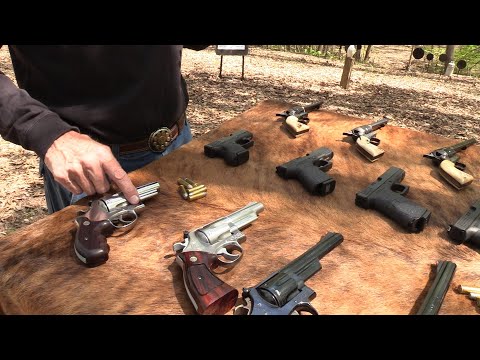
Better Maneuverability: Short barrels are more maneuverable, making them ideal for fights, both gun or fist fights, in tight spaces. The compact size allows for quick target acquisition and easier movement, which can be super-important in a high-stress encounter. Less for the bad hombre to grab onto as well, and if you carry a hammerless revolver, you’ll be guaranteed a short when you pull the trigger if you can get to it without someone grabbing your gun!
Easier Concealment: Short-barreled firearms are typically easier to conceal, allowing individuals to carry them discreetly. This is particularly important for those who wish to travel incognito like the Invisible Man (figuratively speaking, of course). Stick a lightweight .38 snubnose in your pocket holster and you’re good to go, no unnecessary hassles required.
Lighter Weight: Shorter barrels generally result in a lighter overall firearm, making it much more comfortable to carry for extended periods. This can encourage responsible firearm ownership and regular carry, which again is the first rule of firearm self-defense: always have a gun with you.
Quick Target Acquisition: The shorter sight radius can sometimes allow for faster target acquisition, as the shooter can bring the firearm to bear more quickly in a self-defense scenario.
Disadvantages of Short Barrels
Reduced Velocity: One of the primary downsides of short barrels is the reduced muzzle velocity. This can lead to decreased stopping power, especially with hollowpoints that don’t expand properly with low velocity. A lower velocity can also affect the terminal ballistics of the projectile, leading to a maybe less effective stopping performance against a bad guy. This concern, however, can be mitigated if you carry a rounds that aren’t meant to expand; half of Lee Harvey Oswald’s internal organs were shot to hell with one lead roundnose bullet!
Increased Recoil: Short barrels can produce more felt recoil, making it harder for shooters to maintain control and accuracy during rapid fire. This is almost entirely because of the lower weight of the gun overall. Needless to say, this can be bad in self-defense situations where follow-up shots may be necessary.
Accuracy Limitations: With a shorter sight radius, accuracy can be compromised, especially at far distances. While self-defense encounters mostly occur at close range (like within 7 yards), there may be situations where precision is required, and a short barrel may not perform as well.
The Brass Tacks: What’s the Right Choice for Self-Defense Then?!
Really, the decision between long and short barrels for self-defense comes down to personal preference, intended use, and individual lifestyles or needs. For those who want concealment and maneuverability, short barrels are mostly the better choice. They are easier to carry, quicker to deploy, and more suited for close-quarters encounters.
On the other hand, if a shooter values accuracy, velocity, and reduced recoil, a long barrel will likely be much better, especially in situations where the potential for longer-range engagement exists.
Personally, I don’t live in Syria or Ukraine, so I opt for more concealability and maneuverability. I carry a Smith & Wesson 648 Performance Center revolver loaded with 148-grain wadcutters. These rounds don’t expand (hollowpoints won’t any out of my gun), but are the bomb when it comes to penetration plus light recoil.
Good luck to your choice!